




In today’s fast-paced digital world, it is very common for people to compare themselves with others. Whether it’s a colleague getting promoted, a friend buying a new car or someone sharing their achievements on social media, comparison often sneaks into our minds without a warning. Though occasional comparison may seem harmless, when one constantly compares his/her life with others, they end up losing self-confidence, happiness and overall well-being.
If you also want to know how to stop comparing yourself to others, then you’re not alone. The habit of constantly comparing oneself to others is a learned behaviour that can always be unlearned with the right approach. In this blog, we will discuss why this comparison happens, how it impacts your daily life and what the best and most practical ways to overcome comparison and build lasting inner confidence are.
What Does It Mean to Compare Yourself to Others?
Comparing oneself to others means evaluating achievements, appearance, lifestyle, success or personal progress with someone else. This also involves looking at all the things that others have or feel that your own life falls short. While comparison at times motivates one to improve, excessive comparison always creates a feeling of inadequacy and dissatisfaction. This is because, when one compares, he/she stops focusing on their own strength and are busy finding out what they lack.
Also Read: How to Stop Negative Thoughts
Understanding the Comparison Habit
It is very common for humans to naturally compare themselves to understand their place in society. The tendency to compare oneself with others has existed for centuries and is deeply rooted in psychology. But when this habit becomes constant, it begins to affect one’s self-worth instead of motivating. At times, people don’t even realise how often they compare themselves. This can happen at work, among friends, within families.
Why Comparison Feels So Common Today
All thanks to social media, which has amplified comparison more than ever. Looking at people’s highlights, achievements, vacations and successes on social media, people now compare their everyday life with someone who is just sharing the positive part of their lives. This habit creates unrealistic expectations and makes people feel that everyone is doing better in life except for them, which is not true at all.
Why Comparing Yourself to Others Can Be Harmful
- It lowers self-confidence
- It creates unnecessary stress-free
- It distracts you from your own goals
- It reduces gratitude
Signs That You Are Comparing Yourself Too Much
If you want to overcome this habit of constantly comparing yourself with others, then recognising comparison is the first step towards your goal. Some of the most common signs are:
- Feeling jealous of others’ success
If someone else’s achievement is making you feel inferior or inadequate, rather than inspired, then this is a sign that comparison is influencing your thoughts.
- Constantly checking social media profiles
All thanks to the people’s obsession with scrolling through social media for hours during the say that people look at others’ lifestyles online and then develop the feeling of self-doubt.
- Feeling ‘behind’ in life
You frequently believe that others are progressing in life faster than you or achieving more than you, despite the huge difference in your and theirs circumstanded.
- Seeking validation from others
If you feel that your happiness and peace of mind depend on approval, praise, or recognition from others, then comparison may be affecting your self-worth.
- Being unhappy despite personal achievements
You still struggle to feel satisfied even after reaching important milestones in your life because you keep comparing your success to someone else’s.
How to Stop Comparing Yourself to Others
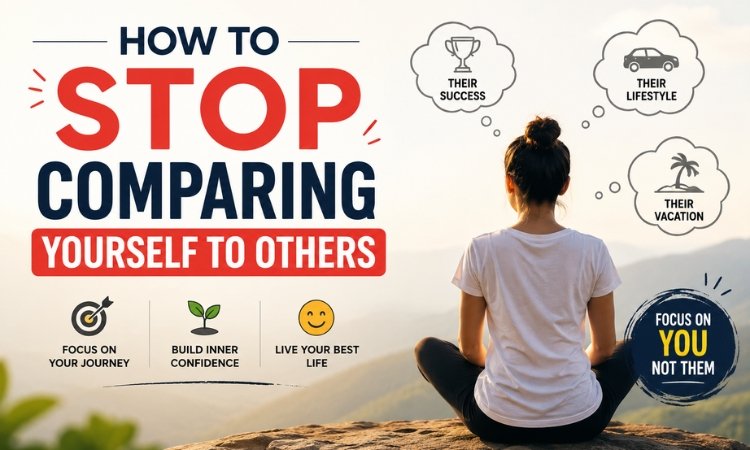
- Focus on your personal journey
- Limit social media comparison
- Practice gratitude daily
- Set personal goals
- Stop seeking approval & validation from others
- Celebrate small wins
- Learn from others instead of competing with them
How to Build Inner Confidence
Did you know that building confidence requires consistent effort and self-belief? Here are some of the most effective ways to boost your self-confidence:
- Develop self-awareness and understand your strengths
- Focus on progress rather than perfection
- Keep promises you make to yourself
- Invest in continuous learning and personal development
- Surround yourself with positive and supportive individuals
- Practice self-compassion during setbacks
Lessons from Successful Motivational Speakers
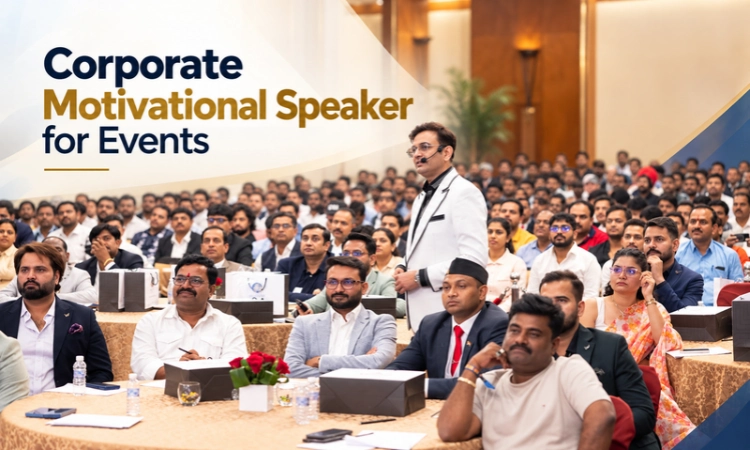
All motivational speakers always highlight the importance of self-belief and personal growth. They consistently preach that success is not about competing with others but about maximising one’s own potential. The sessions hosted by Sonu Sharma, a motivational speaker, encourage individuals to focus on self-improvement rather than external comparisons. He often highlights discipline, mindset, and continuous learning as key ingredients for professional success.
Sonu Sharma is considered one of the best motivational speakers in India because of his emphasis on confidence, goal-setting and developing a positive attitude towards challenges that life throws at us. The common message from successful mentors is clear: stop comparing yourself with others and start investing in becoming the best version of yourself.
The Difference Between Healthy Inspiration and Unhealthy Comparison
It is crucial to understand that not all comparisons are harmful. Healthy comparison helps people by motivating them to learn, grow and improve. One can always admire someone’s success and use it as motivation for one’s own development. But, on the other hand, unhealthy comparison often leads to jealousy, insecurity, and self-criticism. Instead of feeling inspired, people feel discouraged.
Always ask yourself:
- Am I learning from this person?
- Or am I feeling inadequate/ less because of them?
Your answer to these two questions will reveal whether you are being inspired or trapped by comparison.
Conclusion
Learning how to stop comparing yourself to others is one of the most valuable steps you can take toward achieving happiness and self-confidence. Comparison often creates stress, lowers self-esteem, and distracts you from your own purpose.
The key is to focus on your personal growth journey, practice gratitude, celebrate your progress, and stop seeking validation from others. When you learn to appreciate your unique path, you free yourself from the pressure of constantly measuring up to someone else.
Remember, confidence doesn’t come from being better than others. It comes from knowing your worth and embracing your individuality.